
The education landscape is rapidly evolving, and by 2025, it is set to become more dynamic, inclusive, and technology-driven than ever before. Advances in digital tools, innovative teaching methods, and a growing focus on personalized learning are reshaping how students, educators, and institutions approach education. This article provides a brief overview of the key trends and transformations shaping education in 2025.
Technology Integration in Education
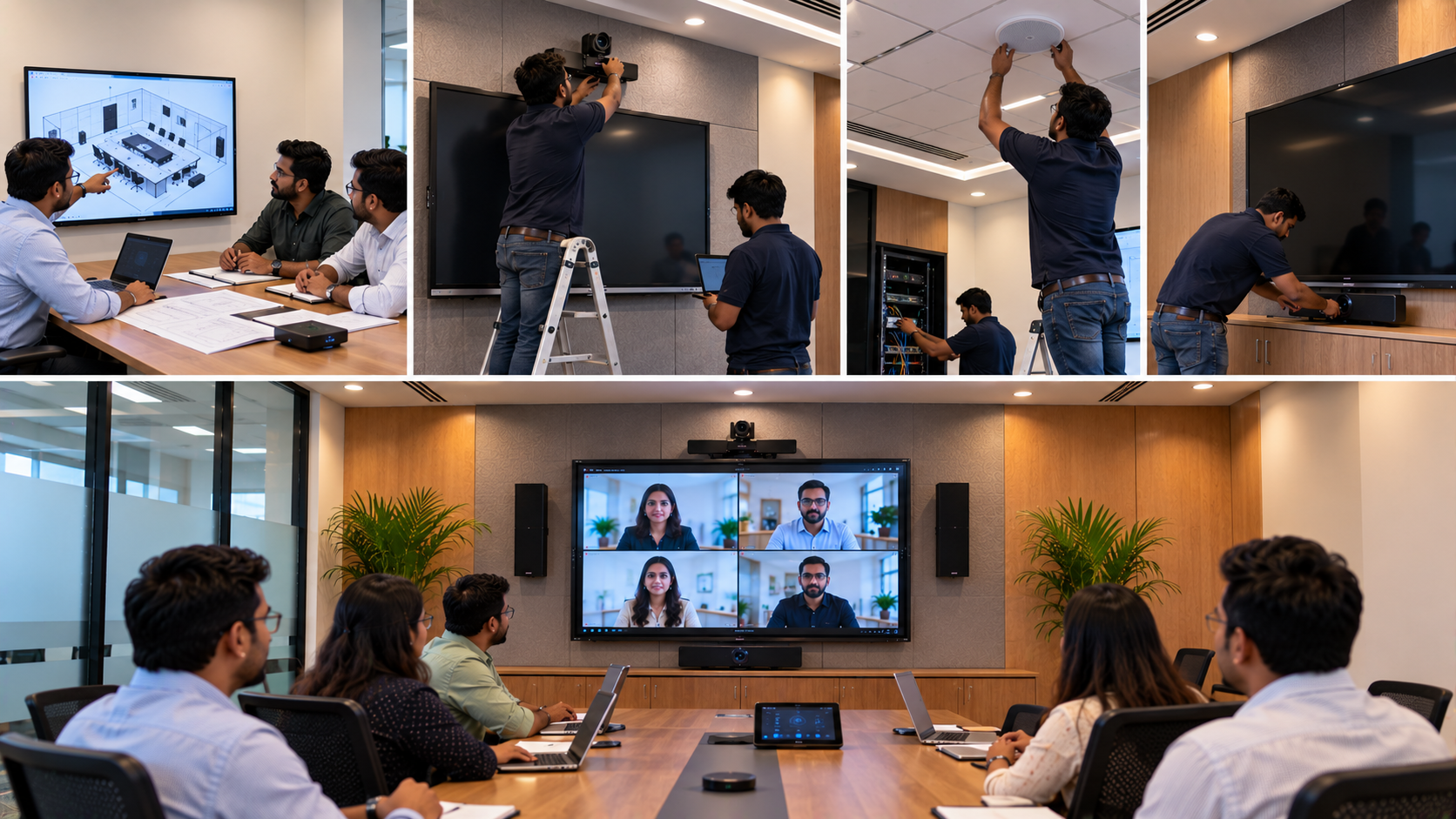
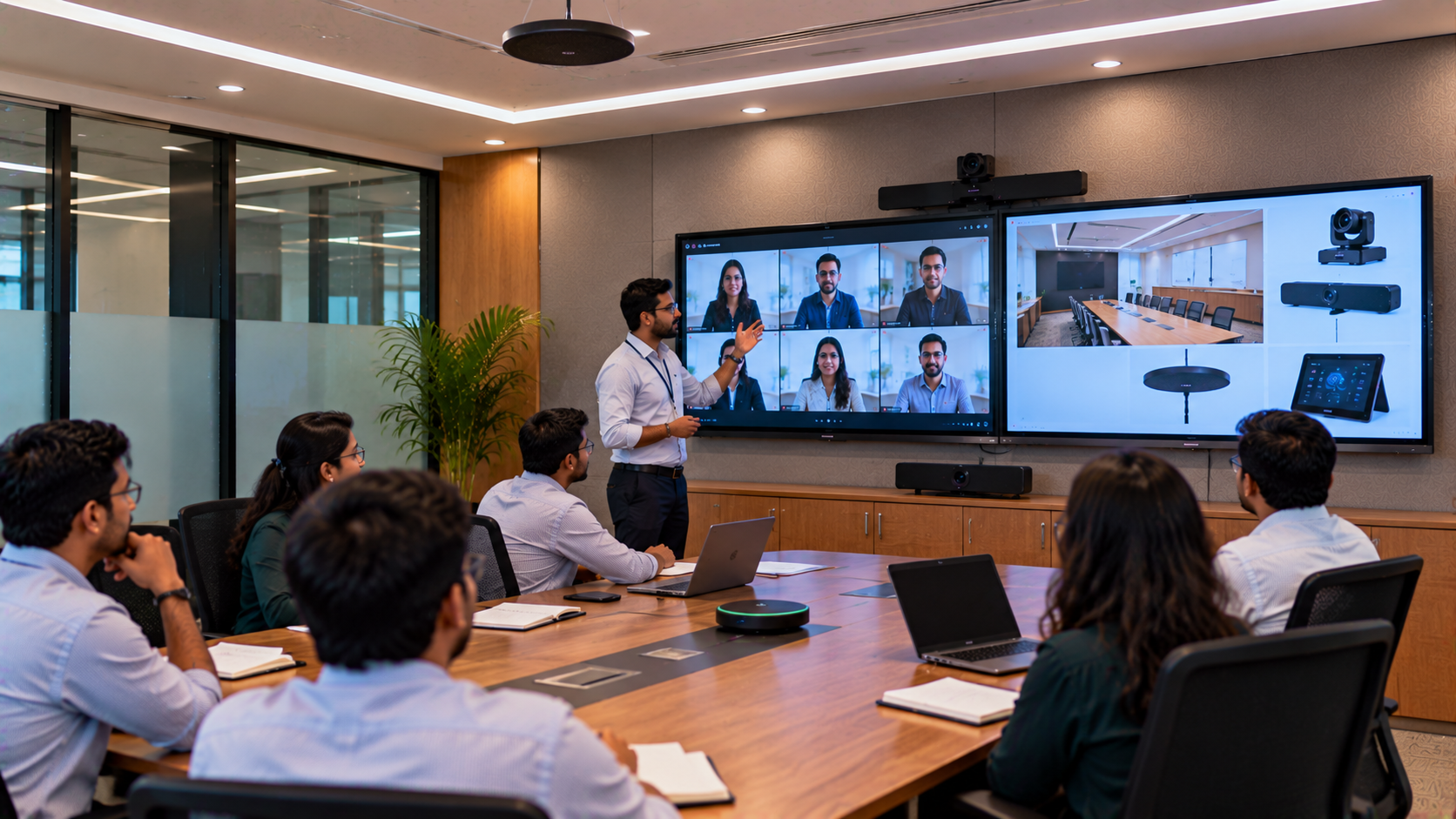
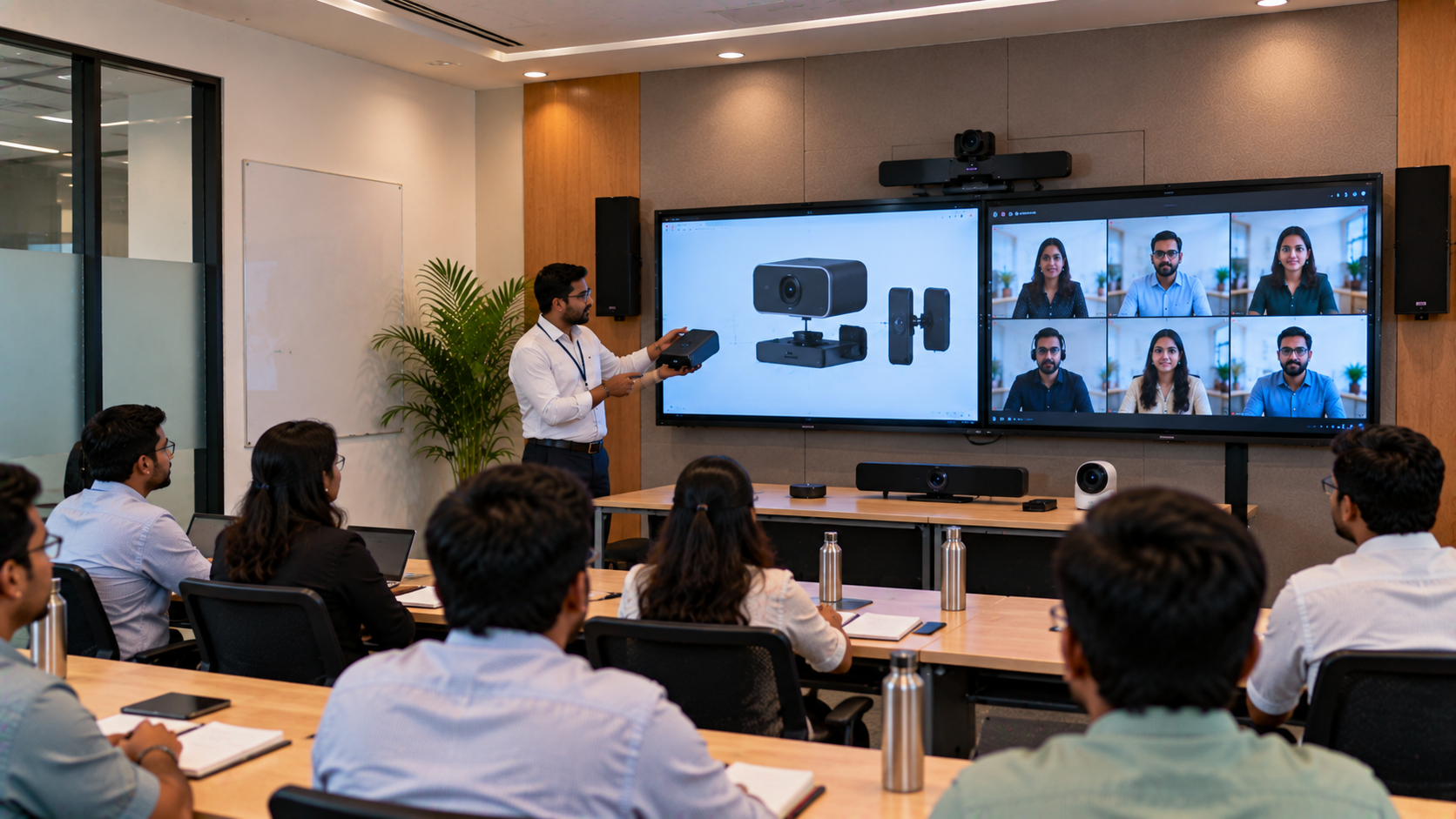
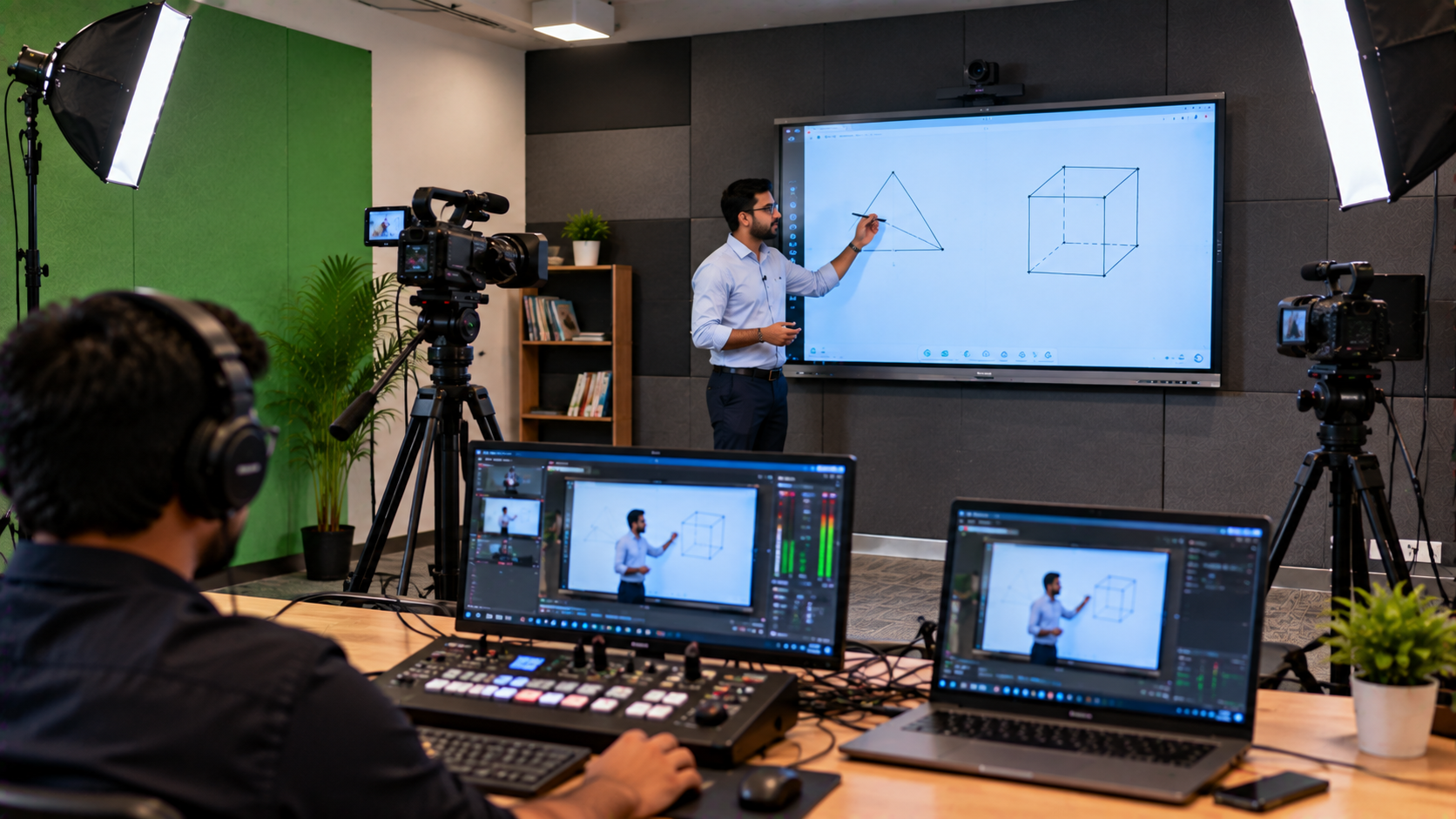
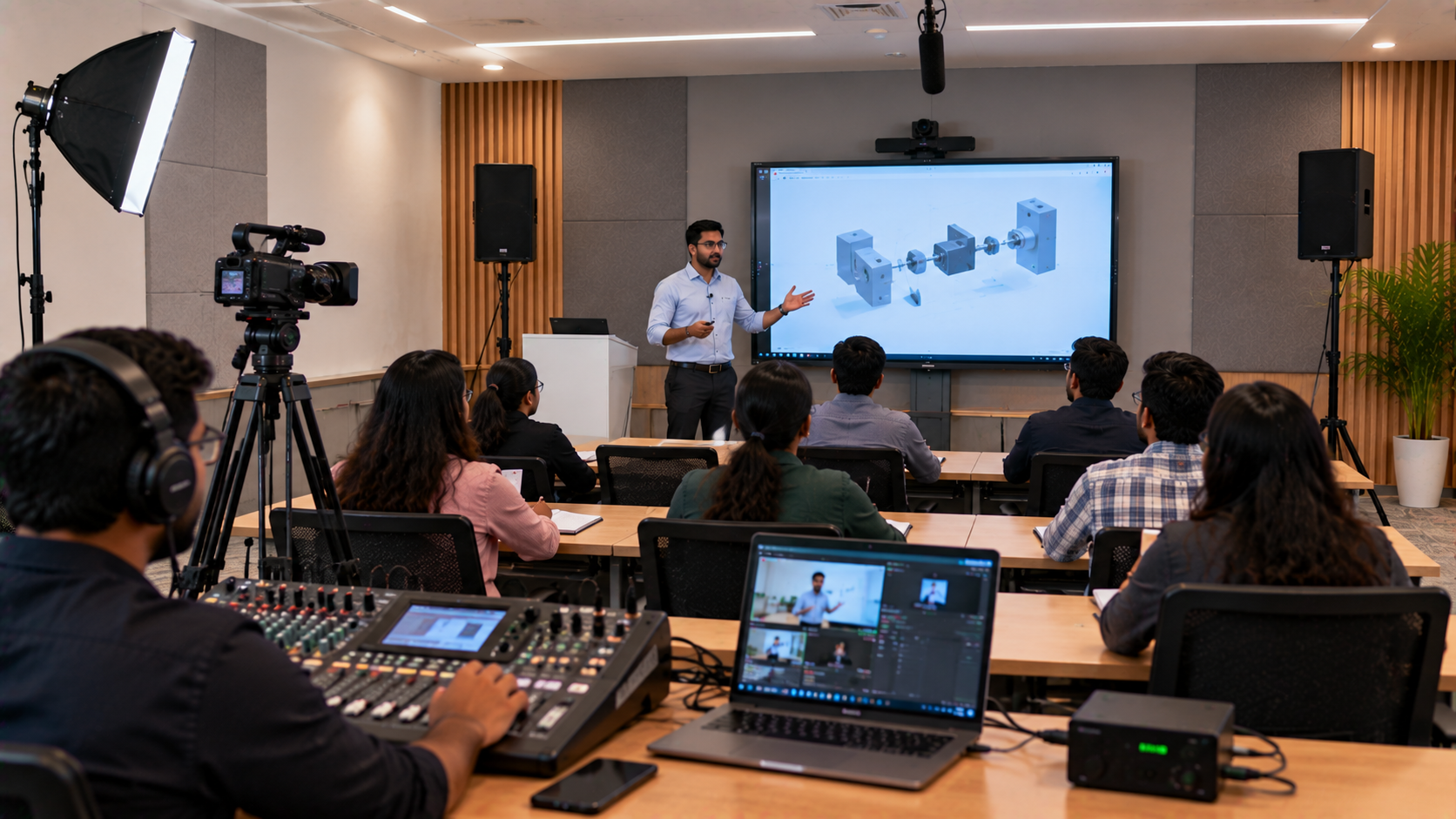
One of the most significant shifts in education by 2025 is the widespread adoption of advanced technology. Interactive flat panel displays, virtual and augmented reality, and AI-powered learning platforms have become commonplace in classrooms and online learning environments. These technologies foster immersive and engaging learning experiences, allowing students to explore complex concepts with greater clarity.
Education in 2025 is moving away from the traditional one-size-fits-all model toward personalized learning experiences tailored to each student’s unique needs, strengths, and pace. Adaptive learning software analyzes students’ progress in real-time and adjusts content to maximize understanding and retention. This personalized approach helps close learning gaps and supports diverse learners.
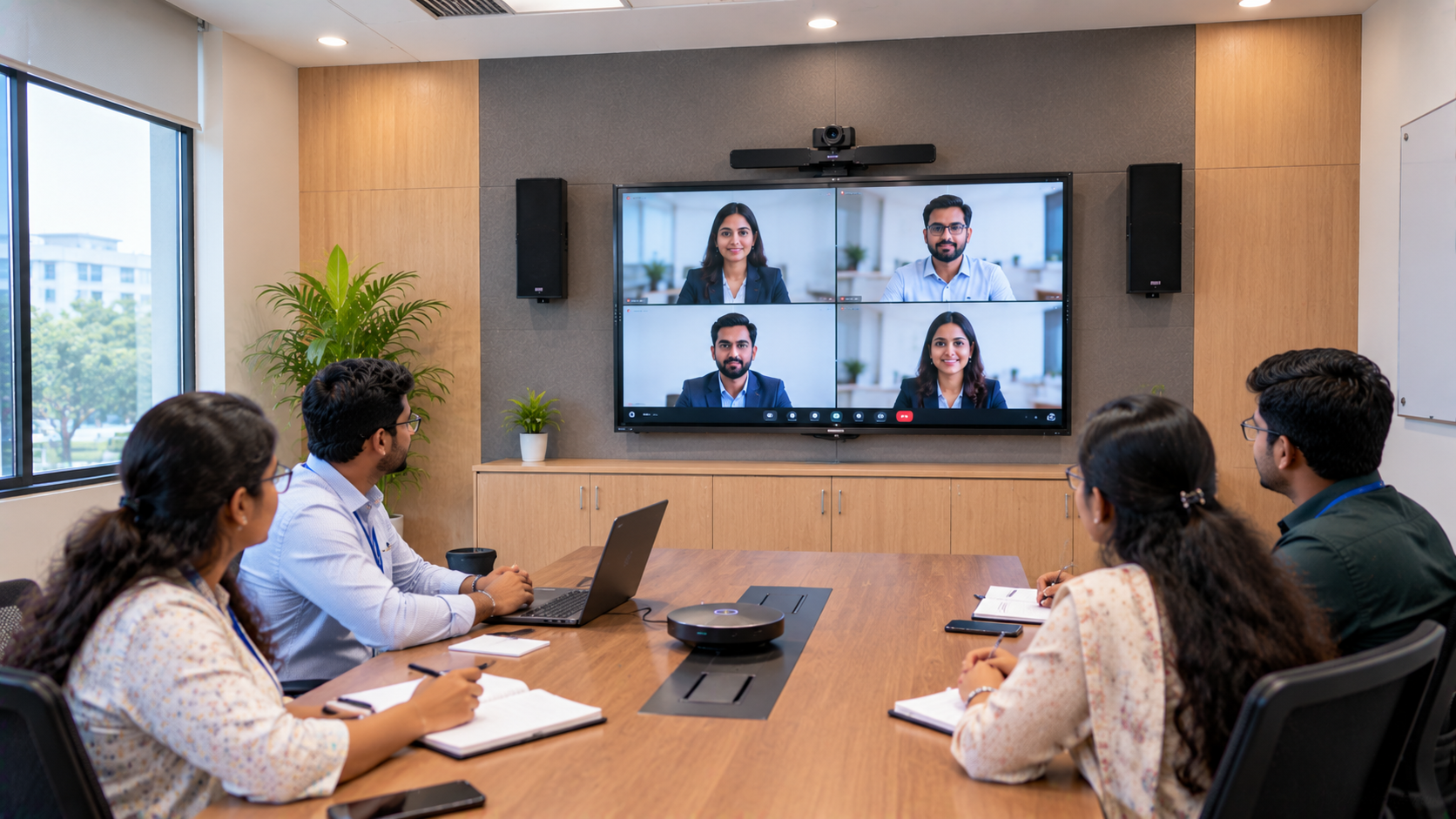
The COVID-19 pandemic accelerated the adoption of remote and hybrid learning, and these models have become permanent fixtures by 2025. Schools and universities offer flexible options that combine in-person instruction with online classes, enabling students to learn anytime and anywhere. This flexibility has expanded access to quality education for students in remote or underserved areas.
The education system in 2025 emphasizes skills that prepare students for the future workforce, including critical thinking, problem-solving, digital literacy, and emotional intelligence. Lifelong learning is encouraged, with micro-credentials and modular courses enabling learners to upskill or reskill throughout their careers.
Efforts to make education more inclusive and equitable have gained momentum. Educational institutions are investing in resources and policies to support students with disabilities, diverse cultural backgrounds, and varying socio-economic statuses. Technology also plays a vital role in bridging gaps and creating equal learning opportunities.
Data analytics is a powerful tool used by educators and administrators to monitor student performance, identify trends, and inform teaching strategies. By 2025, data-driven insights help optimize curriculum design and improve educational outcomes across different levels.
Your email address will not be published. Required fields are marked *
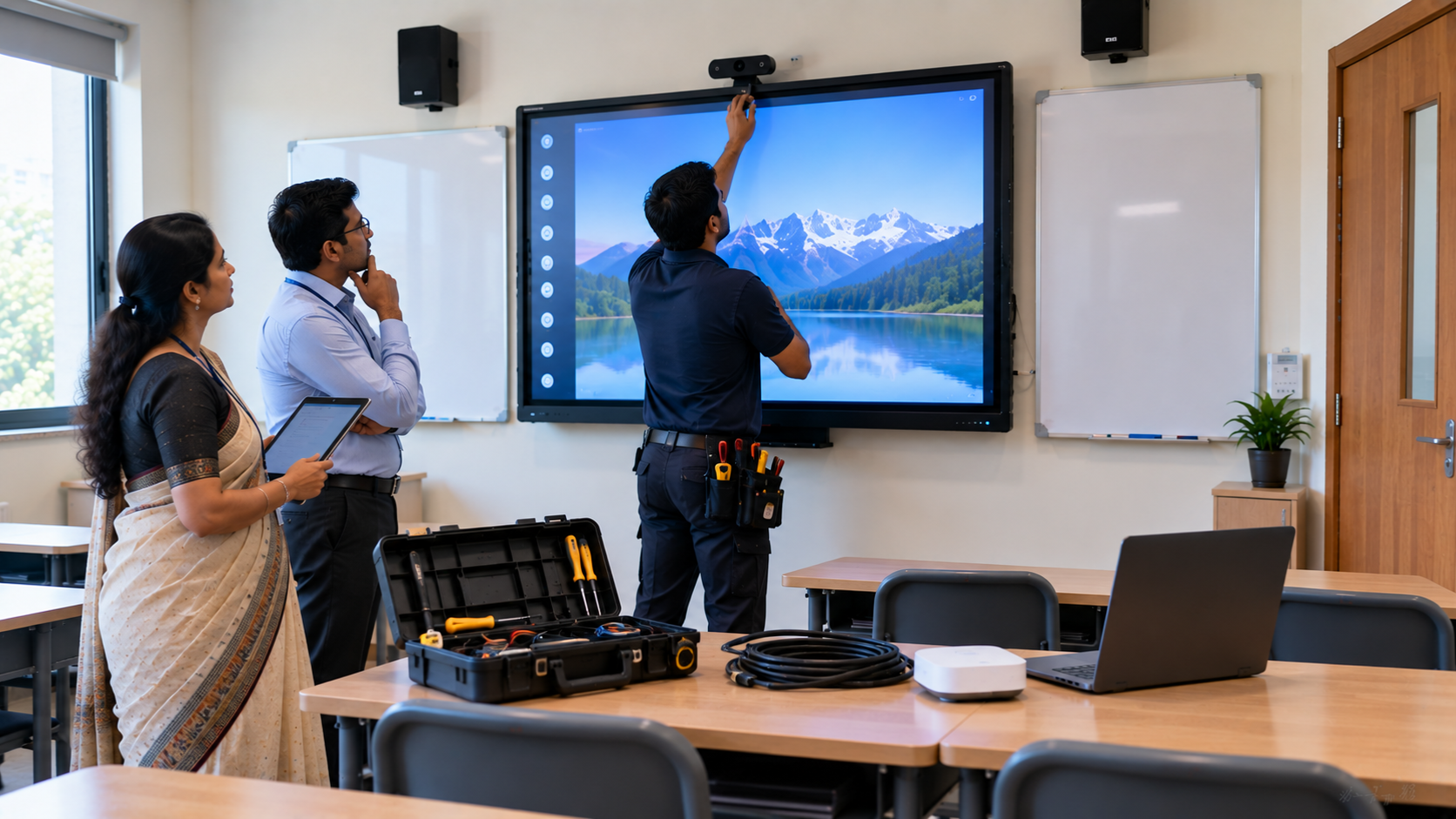
By Inhype • September 12, 2026
A smart classroom is only as effective as the technology supporting it. Interactive panels, smart boards, PTZ cameras, microphones, speakers, PCs and
Read More
By Inhype • September 12, 2026
Higher education is rapidly moving beyond traditional chalkboards and projectors. Today, colleges and universities need technology that supports inter
Read More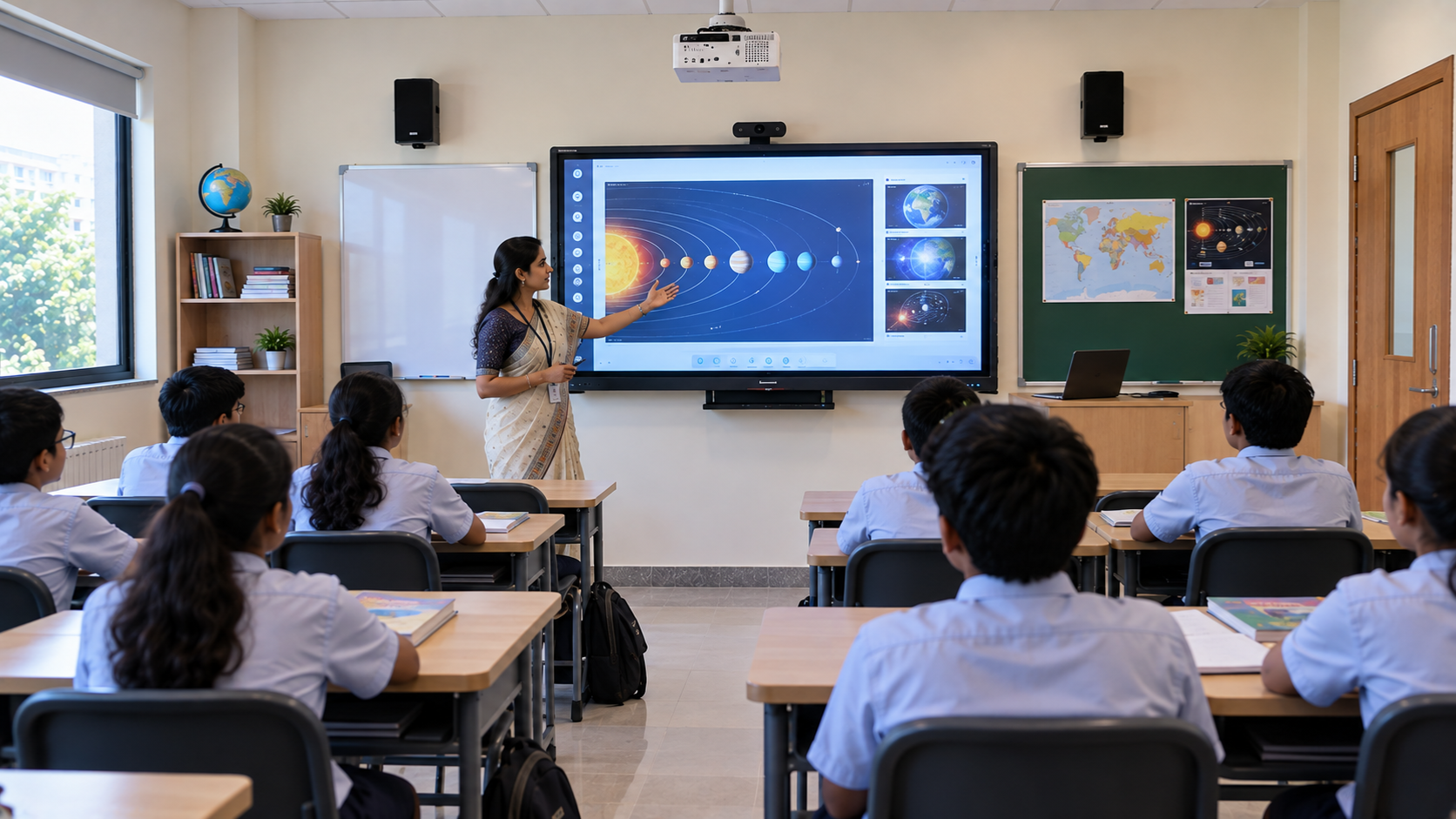
By Inhype • September 12, 2026
A smart classroom for CBSE schools is no longer simply a classroom with a digital board. Modern schools are building connected learning environments t
Read More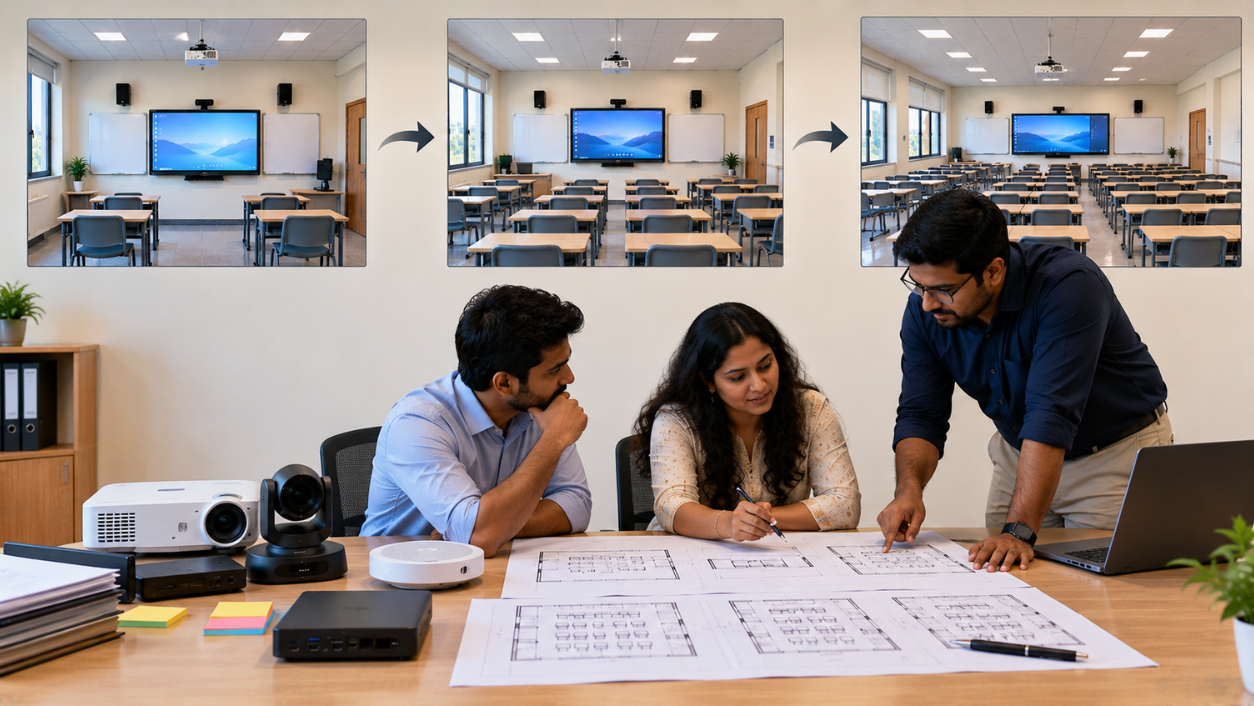
By Inhype • September 12, 2026
Planning a smart classroom project for 10, 20 or even 50 classrooms requires more than simply purchasing digital boards. Schools, colleges, universiti
Read More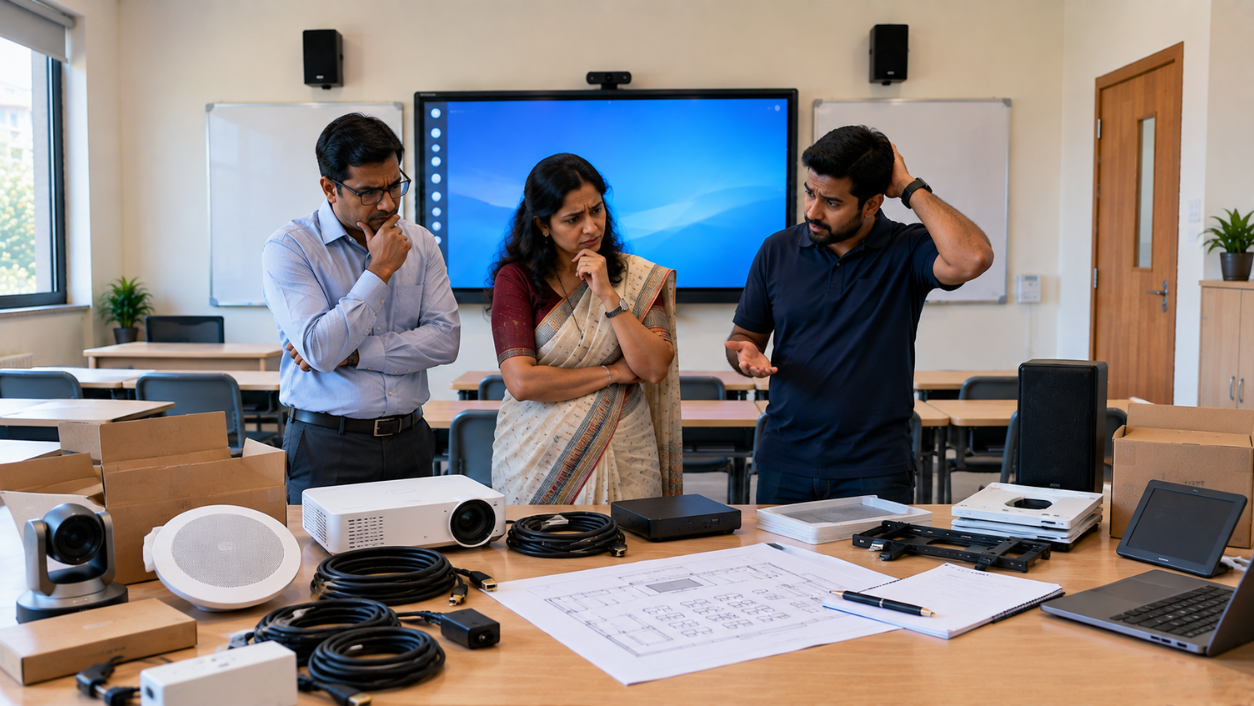
By Inhype • September 12, 2026
A smart classroom can transform the way teachers explain concepts, students interact with lessons, and institutions deliver digital education. From in
Read More




Golive eTechnologies India Private Limited (CIN - U31909UP2021PTC148242) is one of India's leading providers of smart classrooms, interactive boards, video conferencing solutions, and display technologies for the education, healthcare, corporate, and government sectors.











No comments yet. Be the first to comment!