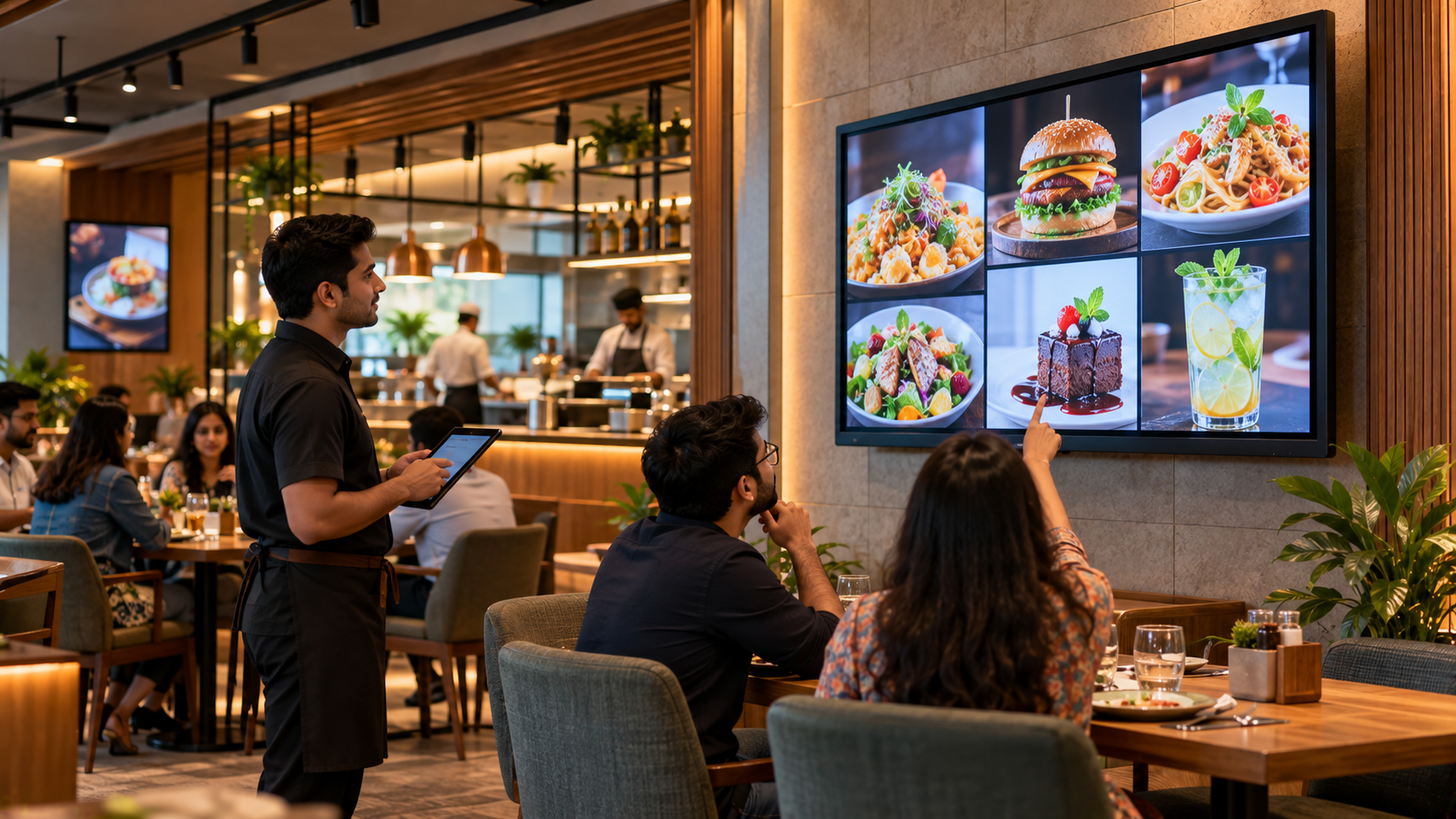
Restaurants, cafés and quick-service restaurants (QSRs) regularly update food prices, introduce seasonal dishes, promote combo meals and remove unavailable items. With printed menus, every change can mean another round of designing, printing and replacing materials. A digital menu board offers a flexible alternative: display your menu, prices, food images and special offers on a screen that can be updated as your business needs change. GoLive eTechnologies India Private Limited helps businesses explore display and digital signage solutions for commercial environments. With the right screen, content plan, mounting and technical support, restaurants can create a more modern ordering experience while making menu management easier. This guide explains how digital signage works, which display options to consider, what influences the cost and how restaurants across India—including Delhi NCR—can plan a suitable setup.
What Is Digital Signage for Restaurants?
Digital signage uses electronic displays to show information, promotions, menus, images and videos. A restaurant digital menu board typically presents food categories, item names, prices, combo offers and appetising product visuals on a screen positioned near the entrance, ordering counter or dining area.
Depending on the setup, content may be updated through a connected computer, media player or content management system (CMS). Multi-outlet businesses can explore centrally managed signage to help keep menus and brand messaging consistent.
Unlike a printed menu, a digital display can make it easier to:
Update item prices and descriptions when changes are approved.
Highlight daily specials, combo meals and seasonal offers.
Show food photography and short promotional videos.
Remove sold-out items from the displayed menu.
Schedule different messages for breakfast, lunch or dinner.
Maintain consistent menu layouts across multiple outlets.
The exact capabilities depend on the display, signage software and configuration selected.
Digital Menu Boards vs Printed Menus: Which Is Better?
Printed menus remain useful for table service, takeaway inserts and customers who prefer a physical menu. Digital signage is particularly valuable where prices change frequently, queues form at ordering counters or promotions need prominent visibility.
Printed menus
Usually have a lower initial setup cost.
Require reprinting when prices, products or designs change.
Can be practical for table service and small, stable menus.
Offer limited movement, video and scheduled content.
Digital menu boards
Require an upfront investment in display hardware and setup.
Allow faster content changes when the system is configured for editing.
Can showcase food images, animated promotions and combo offers.
Can support consistent communication across multiple outlets.
A restaurant does not have to choose only one format. A useful approach is to install digital menu boards at the counter and retain printed menus for table service where needed.
How Restaurants Can Use Digital Signage to Improve Menu Management
1. Display Food Images That Help Customers Choose
High-quality visuals can make a menu easier to scan and help customers understand the dishes on offer. Use clear photographs, readable text and visible prices rather than overcrowding the screen with too many items.
2. Promote Combos and High-Priority Items
Use a dedicated section for meal combos, add-ons, desserts or beverages. Rotate promotional content thoughtfully and ensure that offers, prices and conditions are accurate. Digital signage can support merchandising, but sales results depend on the menu, audience, pricing and execution.
3. Update Menus Without Reprinting Every Time
Restaurants that frequently revise prices or introduce limited-time dishes can benefit from editable digital content. If the setup includes a suitable CMS, authorised staff may be able to publish updates remotely or manage several displays from a central dashboard.
GoLive eTechnologies describes a cloud-based digital signage CMS approach for managing content across multiple screens. Ask the team which hardware, software, licensing and connectivity requirements apply to your restaurant before selecting a package.
4. Organise Screens by Menu Category
A café may use one screen for coffee and beverages and another for food and desserts. A QSR may use separate screens for meals, add-ons and limited-time offers. The right number of displays depends on counter width, viewing distance, customer flow and menu complexity.
5. Support Multiple Restaurant Locations
For restaurant groups, franchise operators and hotel chains, centralised content management can help maintain consistent branding while allowing location-specific prices or offers where required. Confirm that the proposed software supports the number of locations, screens, users and permissions you need.
Choosing the Right Digital Display for Your Restaurant
GoLive eTechnologies offers commercial display options and a range of display and interactive technologies. The most suitable product depends on whether you need a dedicated menu screen, an interactive display for demonstrations or a broader digital signage deployment.
When comparing options, consider:
Screen size: Make sure prices and item names remain readable from the expected customer distance.
Brightness and placement: Check ambient lighting, glare and whether the screen will be used indoors or outdoors.
Resolution: Choose a display that presents text and food images clearly.
Operating hours: Confirm that the selected screen is appropriate for the restaurant's daily usage.
Content management: Establish how menu content will be updated and whether additional software or a media player is required.
Mounting and installation: Plan wall mounts, cable routing, power access, ventilation and safe placement.
Service and support: Ask about warranty, installation, training and after-sales assistance.
An interactive flat panel such as an EVOTA, MAXHUB, LG or Newline display may be relevant for certain interactive hospitality applications. However, a restaurant that primarily needs a static or scheduled menu should confirm whether a commercial signage display is more suitable and cost-effective than an interactive teaching-oriented panel.
Explore the available display categories at GoLive eTechnologies and request a recommendation based on your specific application.
Digital Menu Board Price in India: What Affects the Cost?
There is no single price for every restaurant digital signage setup. The final cost depends on the screen, accessories, installation requirements and how content will be managed.
Typical cost considerations include:
Display size, resolution and operating specifications.
Number of screens required.
Media player or compatible computing hardware, if needed.
Signage CMS software, subscription or licence costs, if applicable.
Wall mounts, cabling, electrical work and installation.
Content design, configuration and staff training.
Warranty, service arrangements and future expansion.
For a small café, a single-screen solution may be enough to start. A high-volume QSR or multi-branch restaurant may need several displays and a centralised content workflow. Compare the full setup cost—not just the screen price—before making a purchase.
Searches such as “digital signage price in India”, “commercial display price” and “digital menu board installation Delhi NCR” are useful starting points, but request a tailored quotation for an accurate estimate. Product prices and availability can change, so confirm current listings and final costs with GoLive eTechnologies.
How GoLive eTechnologies Can Help with Your Digital Signage Plan
Choosing technology should not mean being left to figure out installation and operation alone. GoLive eTechnologies' brand promise is simple: Technology that works, backed by people who help.
When planning a restaurant display setup, discuss these steps with the team:
Understand the requirement: Identify the menu, viewing distance, location and number of screens.
Select suitable hardware: Compare compatible commercial displays and required accessories.
Plan the implementation: Confirm mounting, cabling, content playback and CMS requirements.
Configure and test: Check menu readability, screen placement and update procedures.
Arrange support: Clarify installation, training, warranty and after-sales assistance.
GoLive eTechnologies India Private Limited serves customers across India and is based in Ghaziabad, Uttar Pradesh. Restaurants in Delhi NCR and other locations can enquire about delivery, installation and service availability for their specific requirements.
The goal is less technology headache and more confidence that the setup will work as intended. Confirm the exact scope of installation and support in your quotation.
Make the Move from Printed Menus to Digital Signage
Digital menu boards can make frequent menu updates easier, give promotions more visibility and create a contemporary ordering environment. The best solution is not necessarily the biggest or most expensive screen—it is the one that fits your restaurant layout, operating hours, menu and budget.
Whether you run a neighbourhood café, a QSR, a food court or a hotel restaurant, GoLive eTechnologies can help you evaluate display options and plan the next step.
Ready to explore digital signage for your restaurant? Visit GoLive eTechnologies or contact the team to discuss suitable displays, pricing, delivery, installation and support for your location.
Your email address will not be published. Required fields are marked *
By Inhype • September 12, 2026
A smart classroom is only as effective as the technology supporting it. Interactive panels, smart boards, PTZ cameras, microphones, speakers, PCs and
Read More
By Inhype • September 12, 2026
Higher education is rapidly moving beyond traditional chalkboards and projectors. Today, colleges and universities need technology that supports inter
Read More
By Inhype • September 12, 2026
A smart classroom for CBSE schools is no longer simply a classroom with a digital board. Modern schools are building connected learning environments t
Read More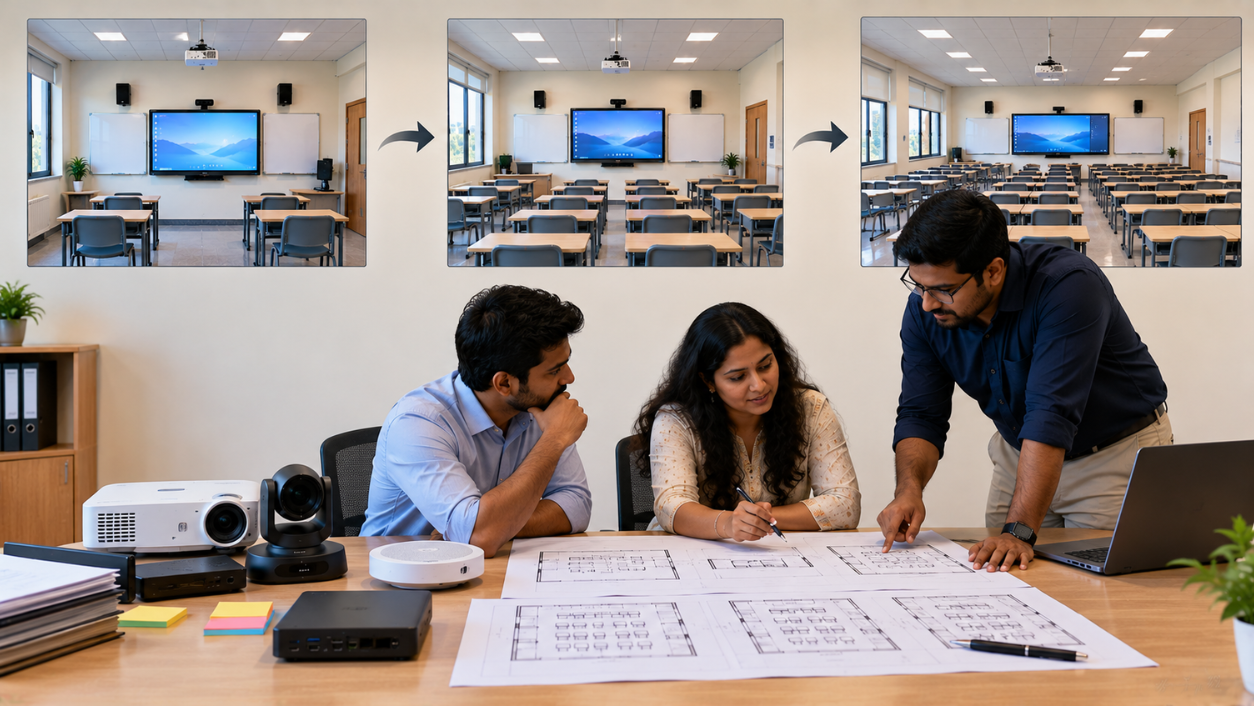
By Inhype • September 12, 2026
Planning a smart classroom project for 10, 20 or even 50 classrooms requires more than simply purchasing digital boards. Schools, colleges, universiti
Read More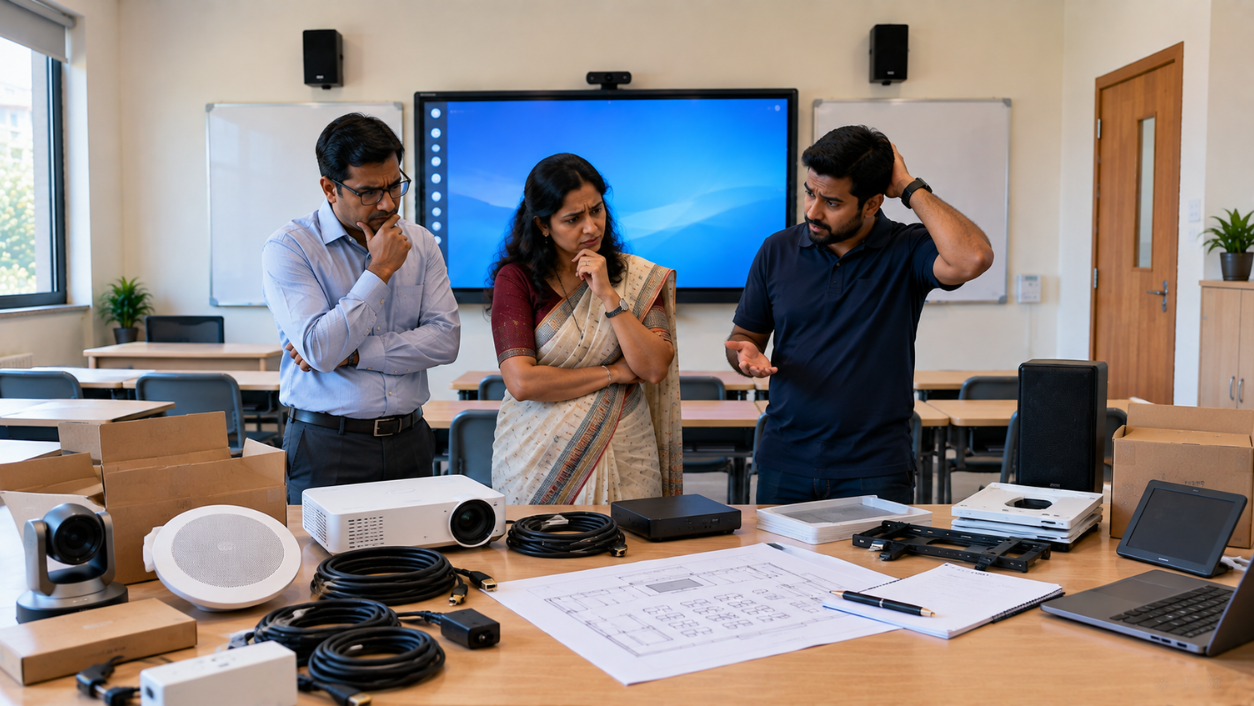
By Inhype • September 12, 2026
A smart classroom can transform the way teachers explain concepts, students interact with lessons, and institutions deliver digital education. From in
Read More



Golive eTechnologies India Private Limited (CIN - U31909UP2021PTC148242) is one of India's leading providers of smart classrooms, interactive boards, video conferencing solutions, and display technologies for the education, healthcare, corporate, and government sectors.
No comments yet. Be the first to comment!