
Choosing the right SSD capacity is an important decision when buying a business desktop, workstation, laptop, or office computer. While 256GB SSD options can be cost-effective for basic business tasks, a 512GB SSD provides more room for applications, documents, media, project files, and future growth. For businesses in India, the right choice depends on how employees work, how much data they handle, and whether files are stored locally or through cloud platforms. This guide explains the difference between 256GB and 512GB SSD storage, helping businesses choose a practical configuration without unnecessarily increasing technology costs.
256GB vs 512GB SSD: What Is the Difference?
An SSD, or Solid State Drive, stores the operating system, applications, documents, and other digital files. Compared with traditional hard disk drives, SSDs generally provide faster data access, quicker boot times, and a more responsive computing experience.
The primary difference between 256GB and 512GB SSDs is storage capacity.
|
Factor |
256GB SSD |
512GB SSD |
|---|---|---|
|
Storage capacity |
Suitable for basic workloads |
Suitable for moderate-to-heavy workloads |
|
Business documents |
Good |
Excellent |
|
Office applications |
Good |
Excellent |
|
Large media files |
Limited |
Better suited |
|
Multitasking |
Suitable |
More flexible |
|
Future storage |
More limited |
More headroom |
|
Budget |
Generally lower |
Generally higher |
Actual usable storage will be lower than the advertised capacity because the operating system, recovery files and formatting consume some space.
Is 256GB SSD Enough for Business Use?
For many employees, 256GB SSD storage can be sufficient. It works particularly well for businesses where employees primarily use cloud storage and browser-based applications.
A 256GB SSD can be suitable for:
Microsoft Office and productivity applications
Email and web-based business applications
Accounting and ERP software
CRM platforms
Video conferencing
Routine documentation
Cloud-based file storage
Administrative and front-office work
For example, a receptionist, sales executive or employee whose documents are primarily stored on cloud platforms may not need 512GB of local storage.
However, businesses should consider future requirements. Installing multiple applications and keeping large presentations, videos, design files or project folders locally can quickly consume available space.
Is 512GB SSD Better for Business Computers?
A 512GB SSD gives employees considerably more working space. It can be a practical choice when computers are expected to remain in use for several years or when users regularly work with larger files.
512GB is particularly useful for:
Business users handling large documents
Marketing and creative teams
Video and image editing
Engineering and design applications
Developers and technical teams
Employees working with large datasets
Businesses that store files locally
Power users who run multiple applications
The additional capacity can also reduce the need to constantly move files to external drives or cloud storage.
256GB vs 512GB SSD for Office Computers
For standard office PCs, the decision should be based on the employee's workload rather than simply choosing the largest available configuration.
Choose 256GB when:
The PC is primarily used for office applications.
Most files are stored on cloud or network storage.
The user does not work with large media files.
Keeping the initial technology budget lower is important.
Choose 512GB when:
Employees store substantial files locally.
Multiple applications are installed.
Large PDFs, presentations, images or videos are common.
The computer is expected to support growing workloads.
You want additional storage headroom.
For businesses purchasing multiple computers, this approach can also help create different configurations for different departments rather than adopting one specification for everyone.
SSD Capacity and Business Productivity
Storage capacity is only one part of a business computer specification. Businesses should also consider:
Processor performance
RAM
SSD speed
Display requirements
Connectivity
Operating system
Warranty
Installation
After-sales support
A computer with sufficient storage but inadequate RAM or processing power may still struggle with demanding workloads.
That is why choosing technology should involve more than comparing product specifications and prices.
Why Buy Business Technology from GoLive eTechnologies?
GoLive eTechnologies follows an end-to-end approach to business technology: from selection and deployment to installation and ongoing support.
The objective is simple: technology that works, backed by people who help.
For organisations purchasing computers, displays, cameras, smart classroom equipment or other technology solutions, GoLive eTechnologies can help businesses evaluate requirements before making a purchase.
The customer benefit is straightforward:
Less technology headache. More confidence that everything will work.
GoLive's technology ecosystem also extends beyond computing products into business and education solutions, including Evota interactive panels, Newline interactive panels, MAXHUB smart boards, LG interactive displays, PTZ cameras and online teaching/studio equipment.
This makes the purchasing process more convenient for organisations looking to build or upgrade complete technology environments.
Storage Is Only One Part of Your Technology Investment
Businesses should consider the total cost of ownership rather than focusing exclusively on the initial product price.
A lower-priced computer with insufficient storage may eventually require:
External storage
Storage upgrades
Data migration
Additional IT assistance
Replacement sooner than expected
On the other hand, choosing significantly more storage than the user requires may unnecessarily increase the initial investment.
The right approach is to match the specification with the employee's actual workload.
256GB or 512GB SSD: Which Should You Choose?
There is no universal answer.
256GB SSD is a practical choice for everyday business users with cloud-based workflows and limited local storage requirements.
512GB SSD is better suited to users who manage larger files, install multiple applications or need additional room for future workloads.
For businesses buying computers in bulk, creating two or three configurations based on employee roles can provide a more balanced technology investment.
Beyond Storage: Build the Right Technology Setup
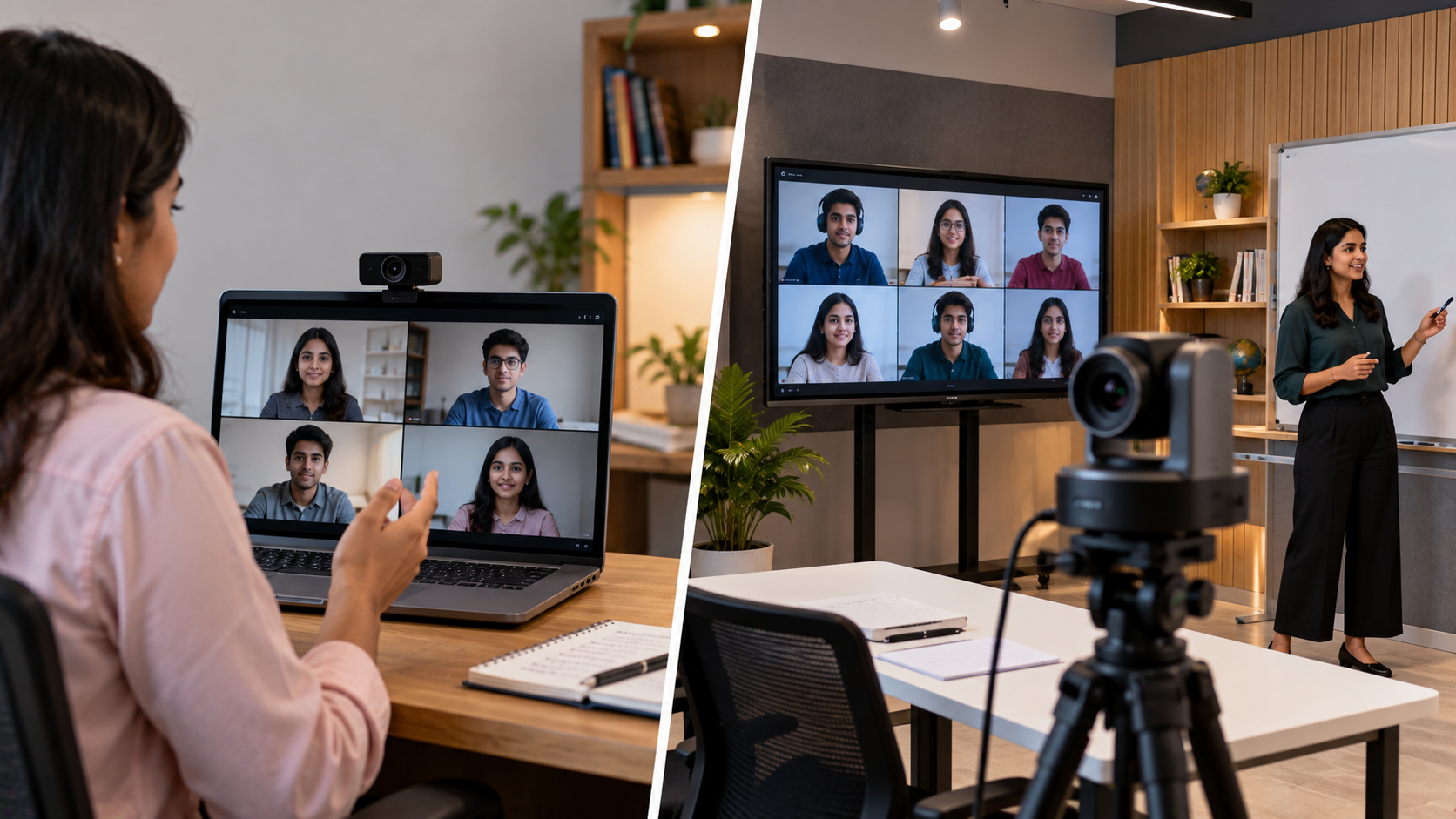
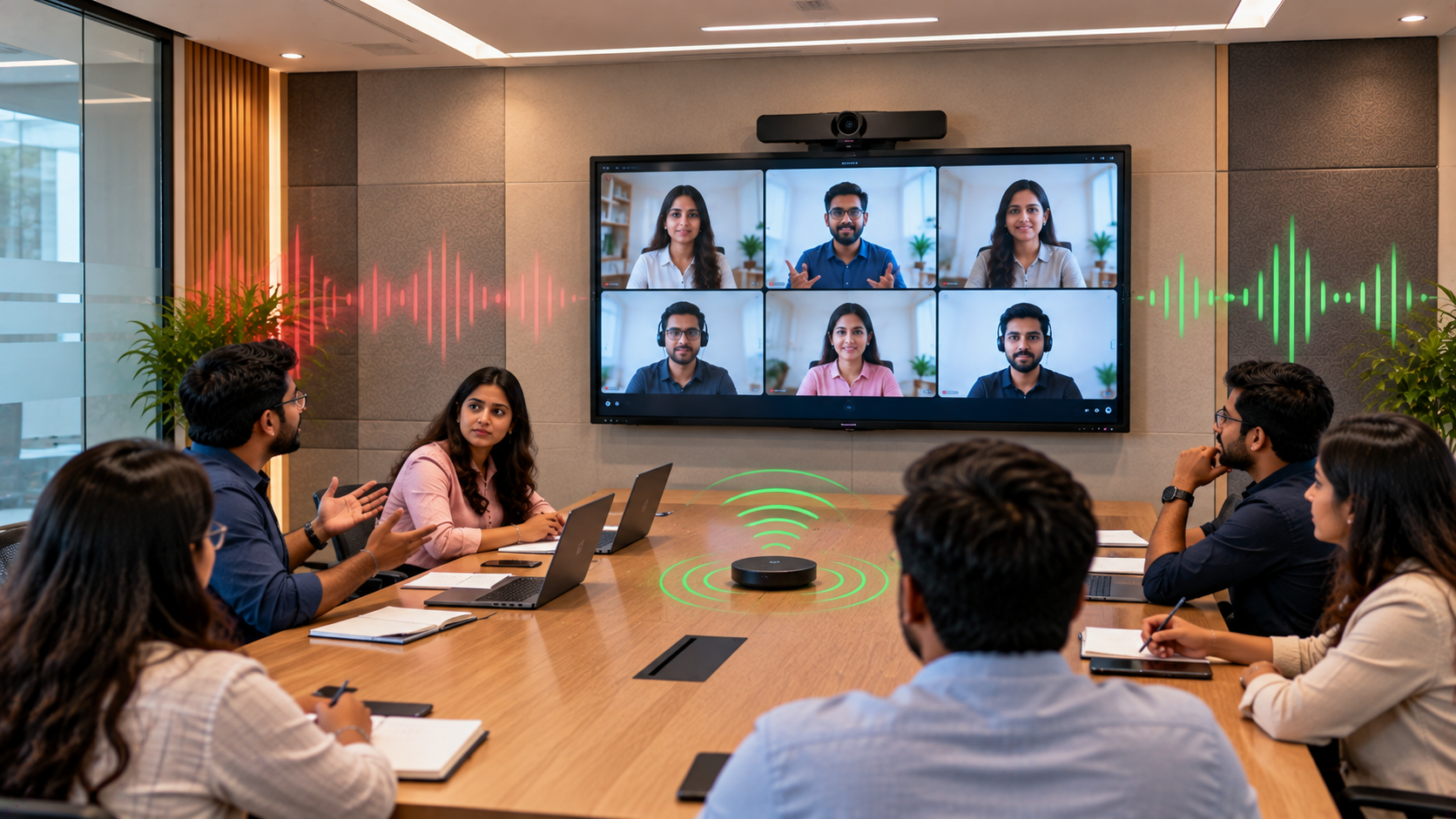
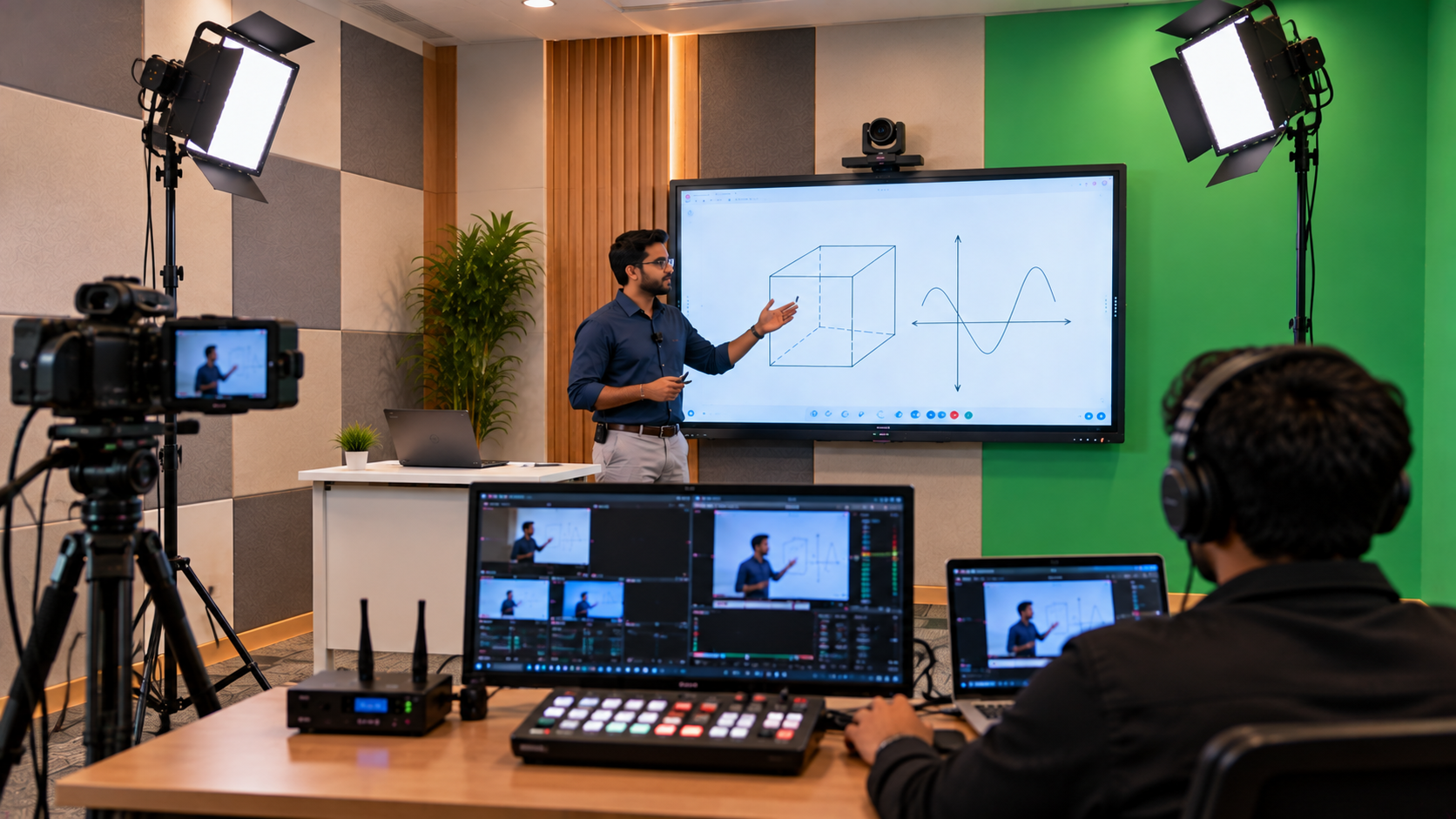
A modern workplace may require more than computers. Meeting rooms can need PTZ cameras, conference equipment and displays, while schools and coaching centres may require interactive flat panels, digital boards, cameras and online teaching equipment.
GoLive eTechnologies supports these technology requirements with solutions spanning selection, deployment, installation and support.
Whether you are comparing 256GB vs 512GB SSD, planning an office technology upgrade, or building a complete smart classroom or meeting-room setup, selecting the right technology starts with understanding the actual use case.
Final Takeaway
For basic business computing, 256GB SSD storage can be enough. For employees handling larger files, multiple applications or growing workloads, 512GB SSD offers greater flexibility.
The best configuration is the one that balances performance, storage requirements, budget and future needs.
With GoLive eTechnologies, businesses can get more than products—they can get the right solution, fast deployment, installation and support, helping technology become an enabler rather than another operational headache.
Your email address will not be published. Required fields are marked *
By Inhype • September 12, 2026
A smart classroom is only as effective as the technology supporting it. Interactive panels, smart boards, PTZ cameras, microphones, speakers, PCs and
Read More
By Inhype • September 12, 2026
Higher education is rapidly moving beyond traditional chalkboards and projectors. Today, colleges and universities need technology that supports inter
Read More
By Inhype • September 12, 2026
A smart classroom for CBSE schools is no longer simply a classroom with a digital board. Modern schools are building connected learning environments t
Read More
By Inhype • September 12, 2026
Planning a smart classroom project for 10, 20 or even 50 classrooms requires more than simply purchasing digital boards. Schools, colleges, universiti
Read More
By Inhype • September 12, 2026
A smart classroom can transform the way teachers explain concepts, students interact with lessons, and institutions deliver digital education. From in
Read More




Golive eTechnologies India Private Limited (CIN - U31909UP2021PTC148242) is one of India's leading providers of smart classrooms, interactive boards, video conferencing solutions, and display technologies for the education, healthcare, corporate, and government sectors.














No comments yet. Be the first to comment!